
Blog
7 Things to Plan Before Starting Interior Work

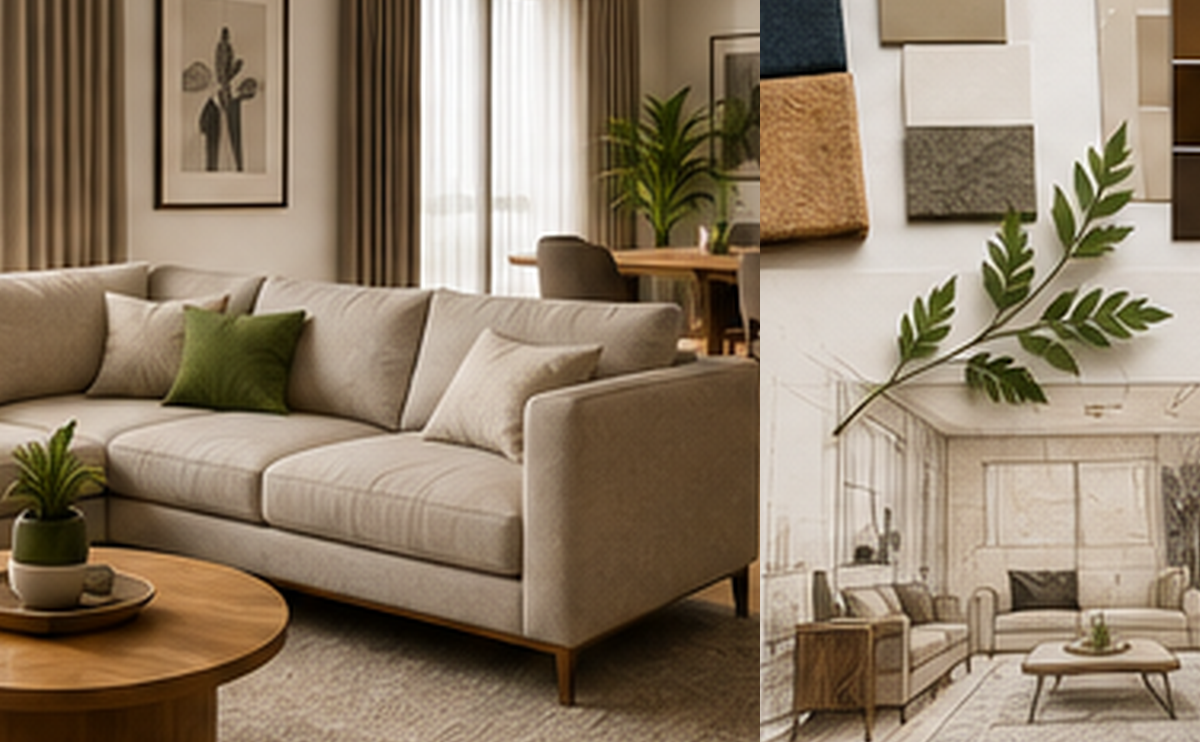
Interior work often becomes complicated when decisions are made only after construction has already started.
Furniture changes.
Electrical points move.
Materials get replaced.
The budget keeps changing.
And different working teams may not always be following the same plan.
Many of these problems can be reduced with better planning before execution begins.
Whether you are designing a home, office, showroom, café, restaurant or another commercial space, here are seven things worth deciding early.
1. Understand How the Space Will Be Used
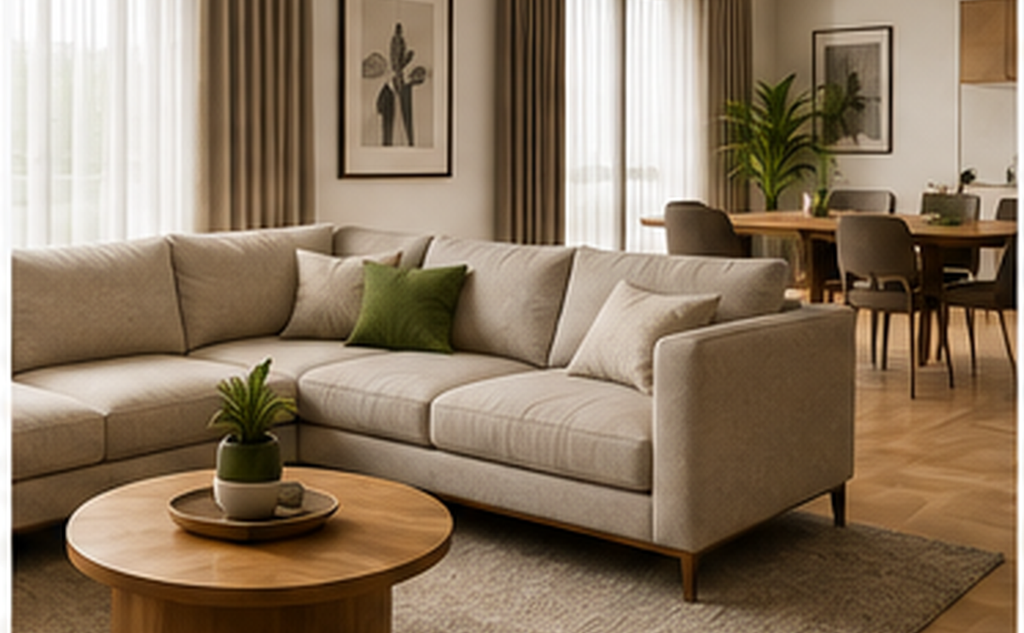
Interior planning should begin with function.
Before discussing colours and furniture, ask:
- Who will use the space?
- What activities will happen there?
- How much storage is required?
- Which areas need privacy?
- Which areas need to remain open?
- How many people normally use the space?
A beautiful room that does not work properly for the people using it will eventually become inconvenient.
Design should begin with how the space needs to perform.
2. Decide an Approximate Budget
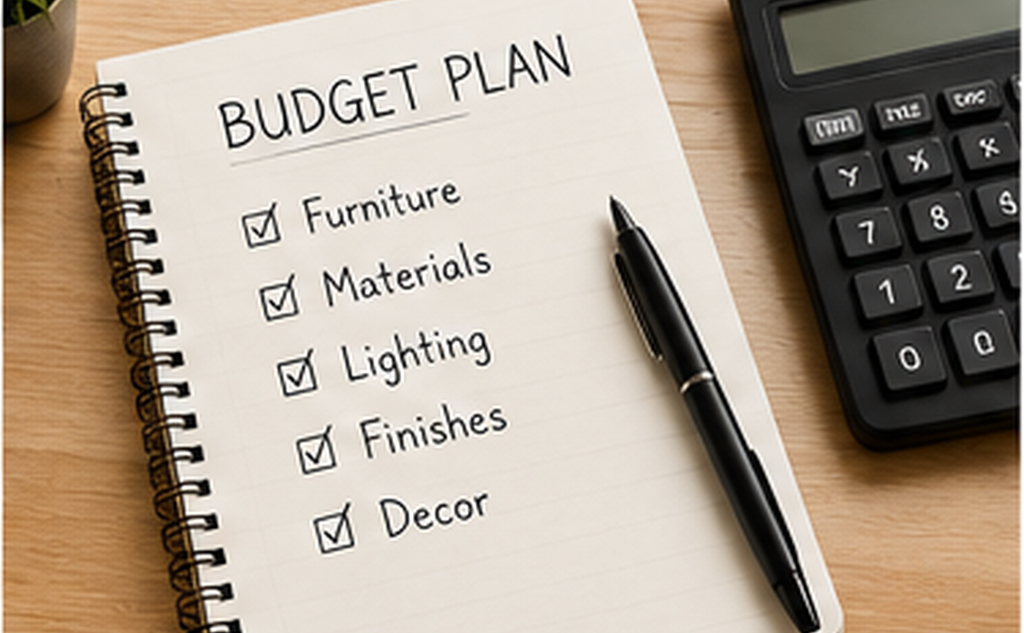
You do not necessarily need an exact figure on the first day.
But having an approximate budget helps determine the right direction.
Your budget affects decisions about:
- Flooring
- Furniture
- Lighting
- Ceiling
- Wall finishes
- Kitchen
- Storage
- Hardware
- Decorative elements
- Custom work
Without a realistic budget, it is easy to design something that later becomes difficult to execute.
3. Plan the Layout Before Buying Furniture
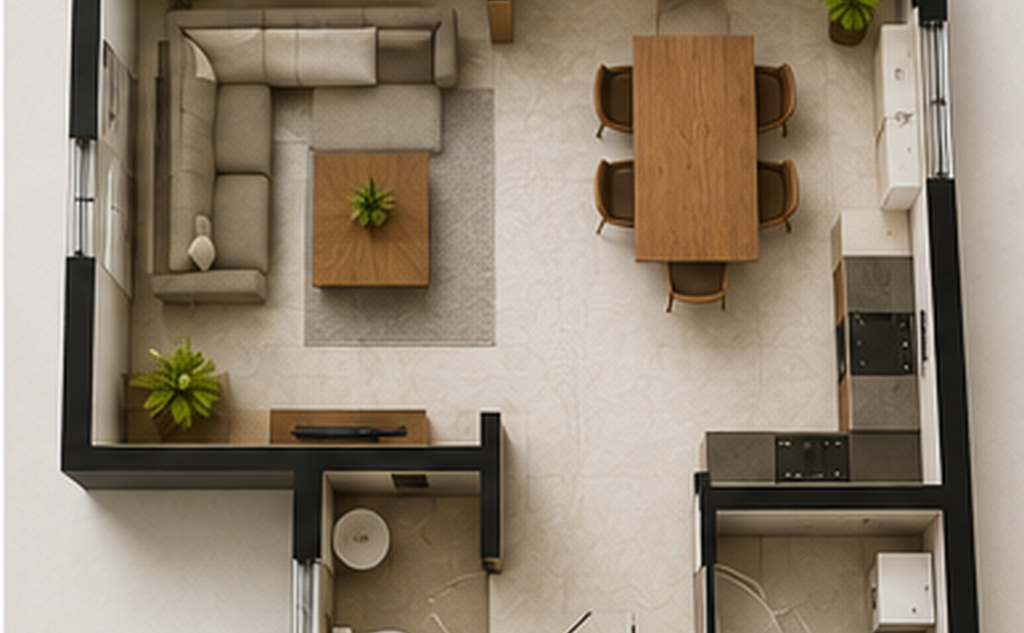
One common mistake is purchasing furniture first and trying to make it fit later.
Instead, plan:
- Furniture position
- Walking space
- Doors
- Windows
- Circulation
- Storage
- Electrical points
- Natural light
A proper layout can make even a relatively small space feel much more comfortable.
4. Plan Electrical and Lighting Points Early
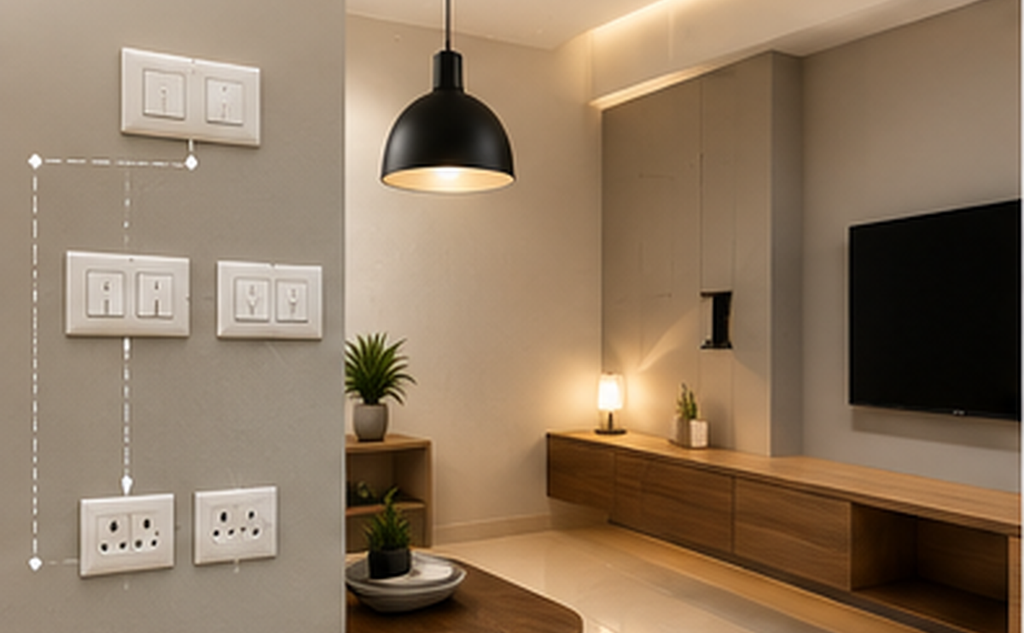
Lighting and electrical planning should work together with the interior layout.
Think about where you may need:
- Ceiling lights
- Task lighting
- Decorative lighting
- Power sockets
- TV points
- Internet/router points
- Air-conditioning
- Kitchen appliances
- Workstations
- Charging points
Moving electrical points after walls and finishes are completed usually means additional work.
Early coordination can prevent that.
5. Select Materials According to Use
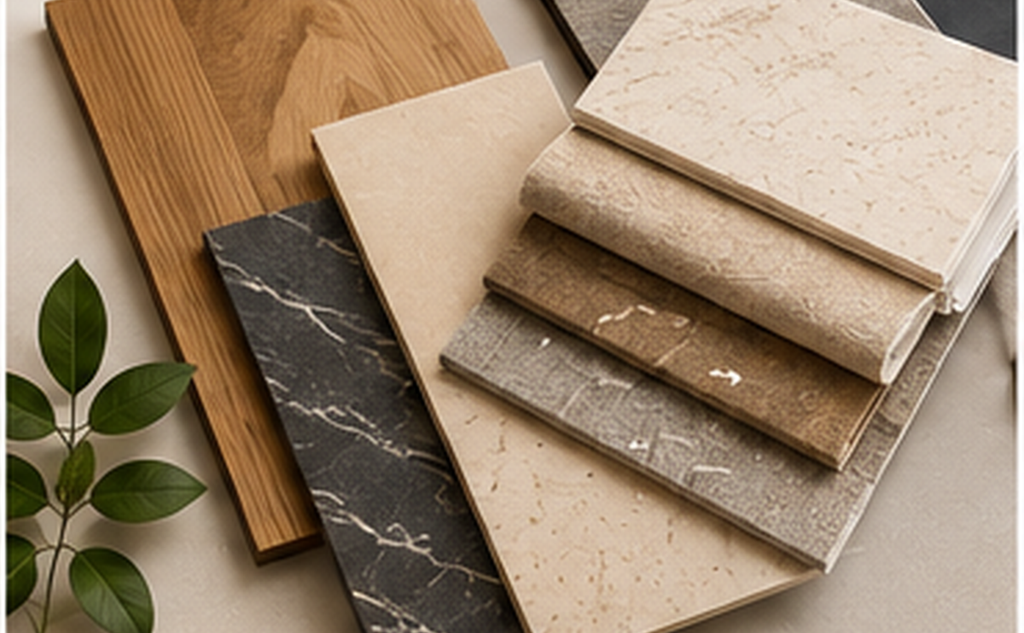
Materials should not be chosen only because they look attractive in a sample.
Think about where and how they will be used.
For each material, consider:
- Durability
- Maintenance
- Moisture exposure
- Cleaning
- Frequency of use
- Availability
- Replacement
- Budget
For example, materials suitable for a bedroom may not necessarily be ideal for a busy restaurant or office.
6. Make Different Elements Work Together
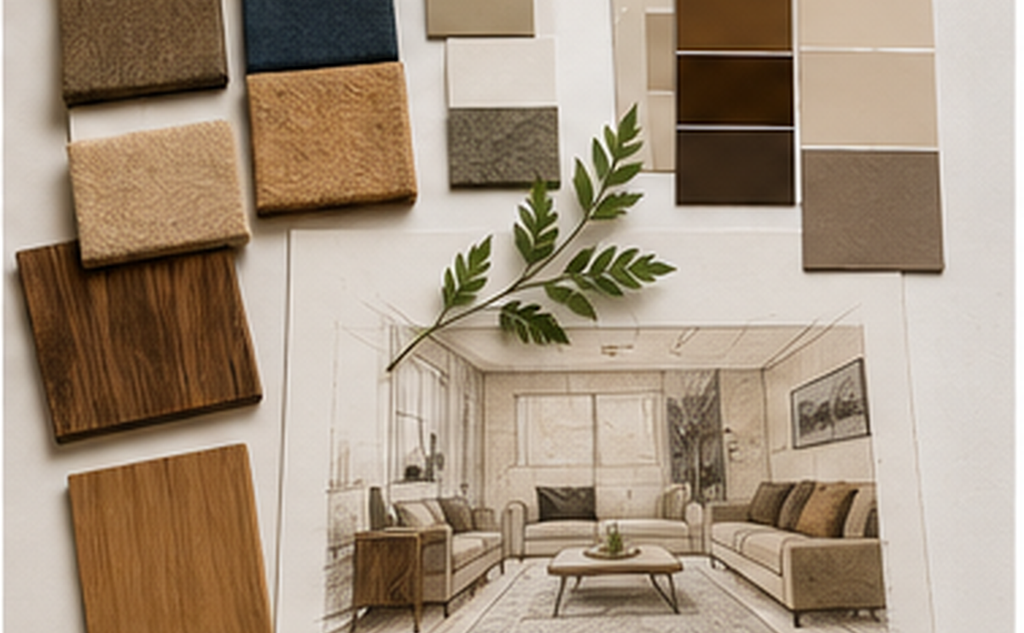
An interior contains many separate elements:
- Flooring
- Wall colour
- Furniture
- Ceiling
- Lighting
- Curtains
- Doors
- Hardware
- Decorative finishes
Each one may look good individually.
But the important question is:
Do they look good together?
Creating a clear overall design direction before purchasing materials reduces mismatched colours, finishes and styles.
7. Plan the Execution Sequence
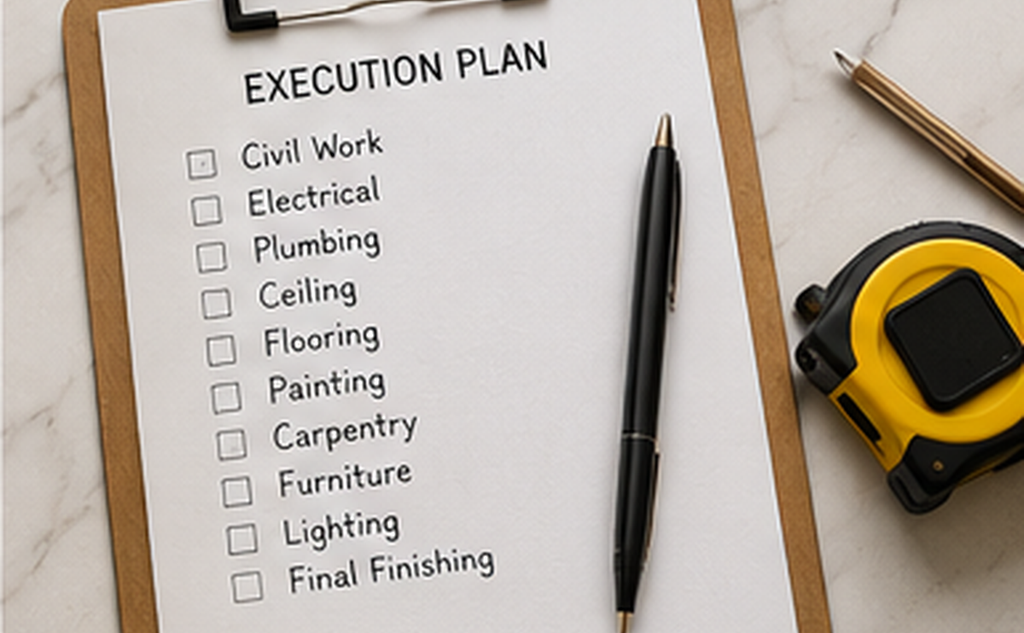
Interior projects involve several different stages and working teams.
Depending on the project, this may include:
- Civil changes
- Electrical work
- Plumbing
- Ceiling
- Flooring
- Painting
- Carpentry
- Furniture
- Lighting
- Final finishing
These activities need to happen in the right sequence.
Poor coordination can lead to completed work being damaged or redone.
That is why execution planning matters just as much as design.
Design Is Only One Part of the Interior Process
Good interiors are not created by choosing beautiful pictures and materials separately.
They come from coordinating:
Space Planning → Design → Materials → Execution → Finishing
When these stages are considered together, the project becomes easier to manage, and the final result is more consistent.
Planning an Interior Project?
NepBuilds provides interior decoration solutions for homes, offices, showrooms, cafés, restaurants, and commercial spaces, helping coordinate the process from planning and material selection to final execution.
Tell us about your space and what you are planning.
Get an Interior Consultation
NepBuilds — Building Possibilities.


